Step 1
Account Creation
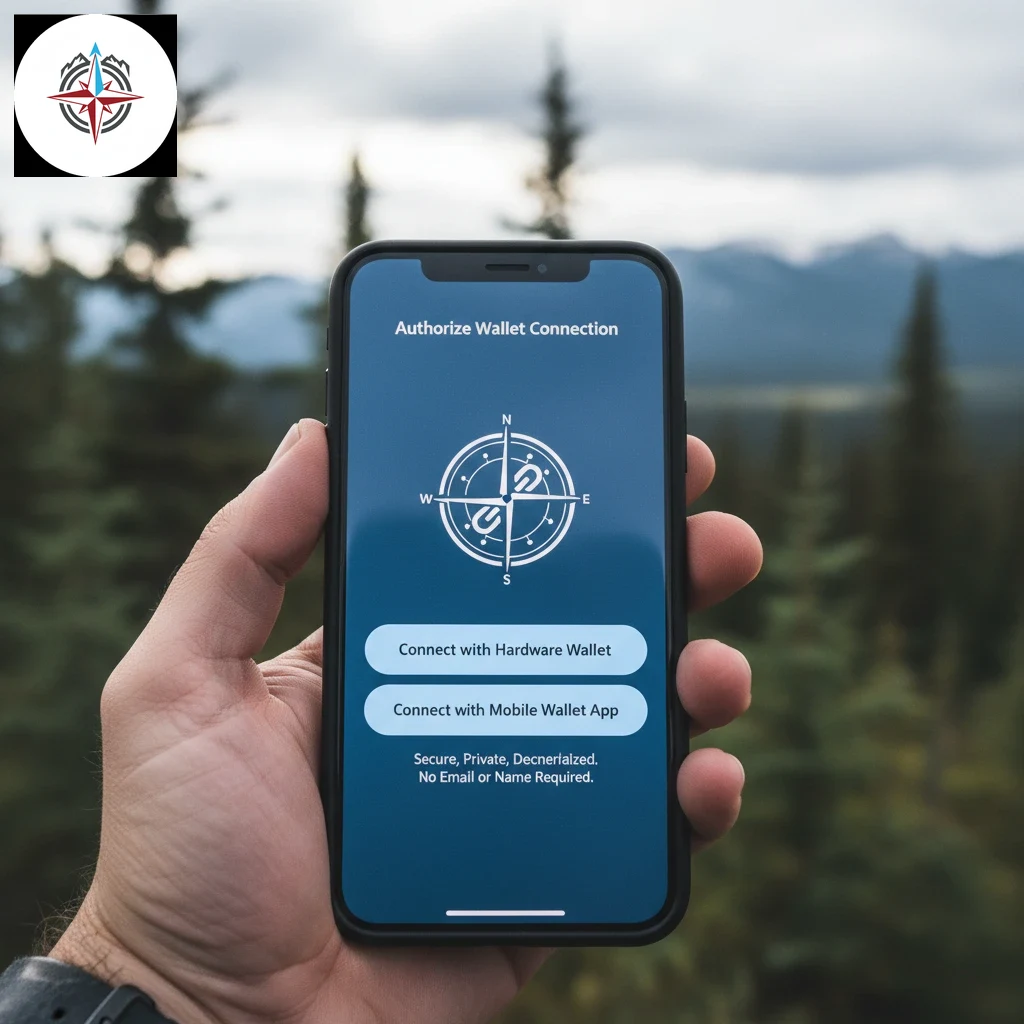
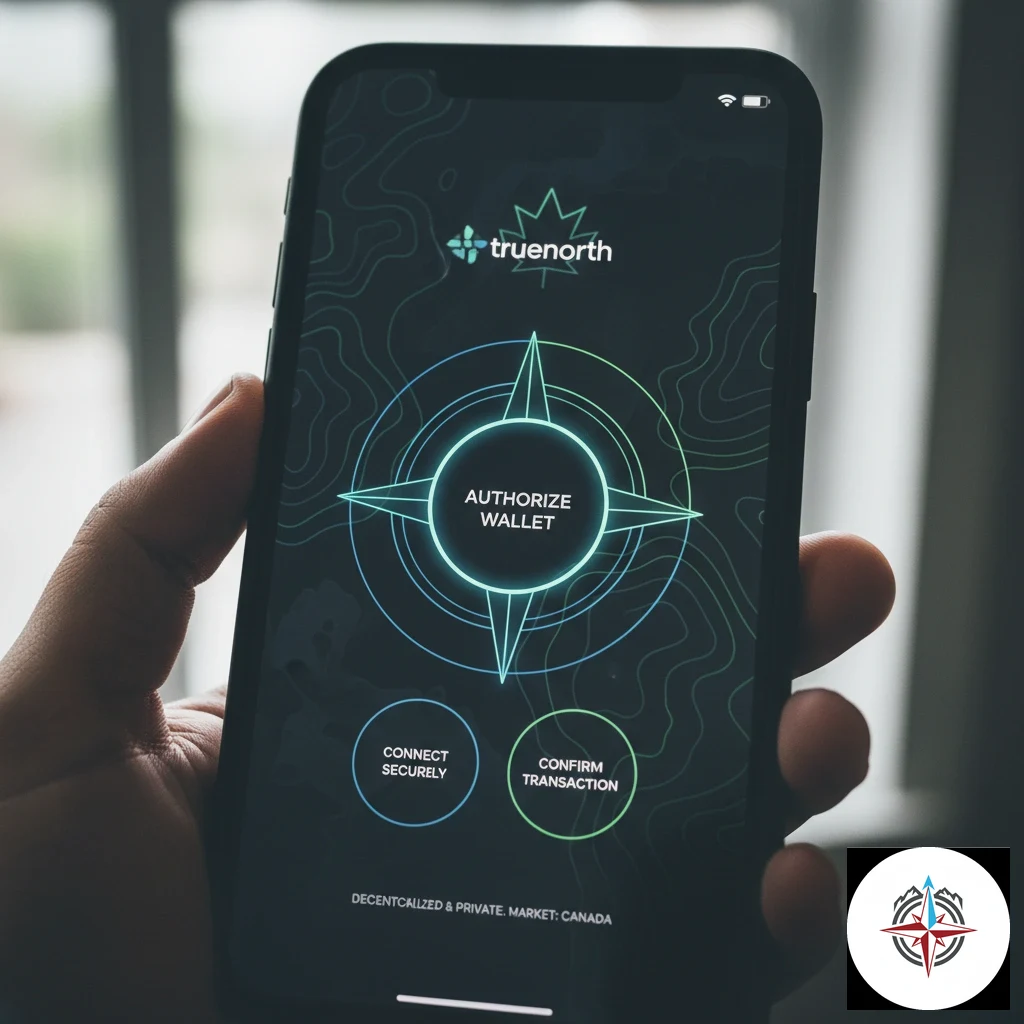
Register using only a generated username, password, or Web3 wallet connection. No personal address or identity documentation is required.
Step 2
Direct Wallet Funding
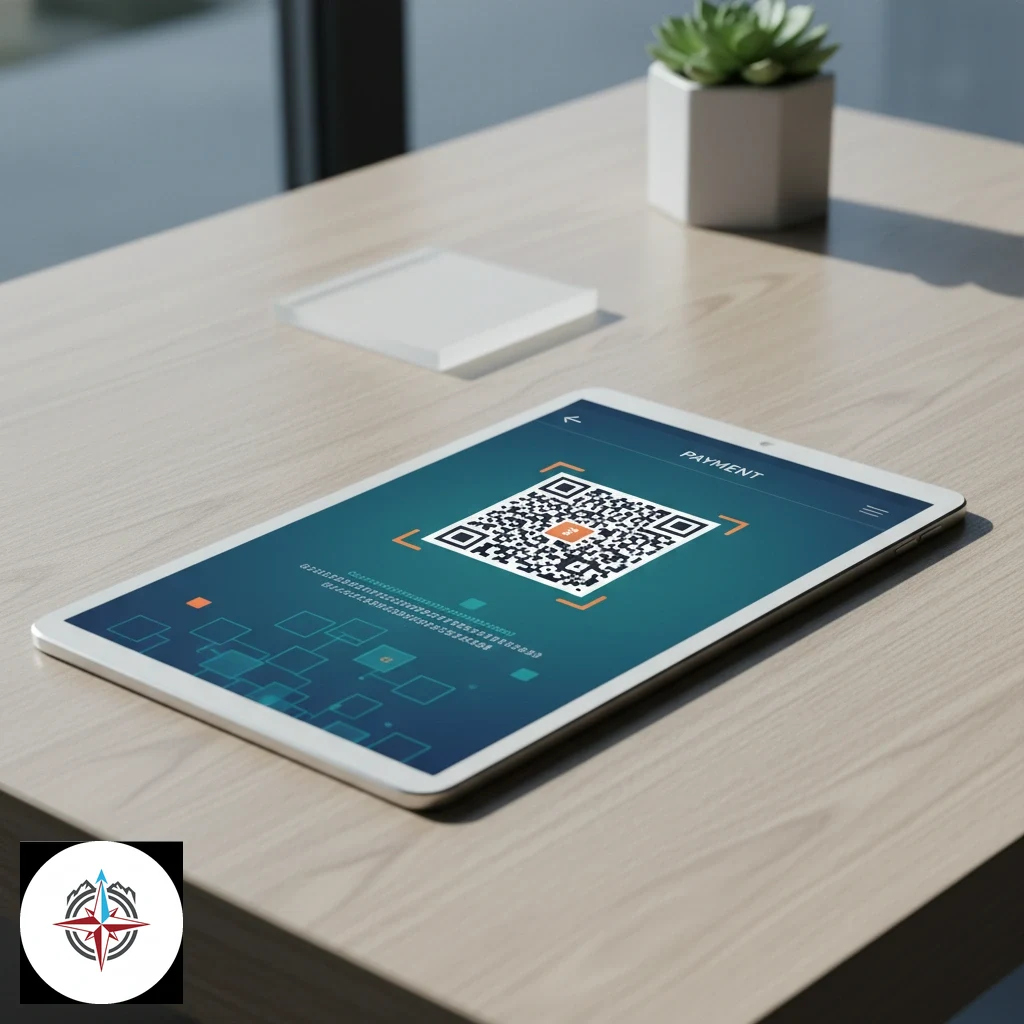
Deposit Bitcoin, USDT, or Ethereum directly from a private wallet. Learn more about supported coins in our crypto betting guide.
Step 3
Placing Your Bets
Browse pre-match lines or test real-time pricing on our live betting platform, then confirm your slip without account limits.
Step 4
Automated Cashouts
Request withdrawals directly back to your non-custodial address. Automated blockchain routing processes payouts in 5 to 15 minutes.
1 1. Set Up a Non-Custodial Cryptocurrency Wallet
Avoid using centralized Canadian exchanges directly for deposits, as their internal policies track outgoing gambling transactions. Instead, install a private, non-custodial wallet such as Electrum, Exodus, or MetaMask where you hold your own private keys.
2 2. Acquire and Transfer Supported Digital Assets
Fund your non-custodial wallet with cryptocurrencies commonly accepted across crypto betting platforms, such as Bitcoin (BTC), Litecoin (LTC), or Tether (USDT). For maximum privacy at the transaction layer, privacy-focused protocols like Monero (XMR) obscure wallet amounts and addresses completely.
3 3. Register Using Minimal Credentials
Choose a bookmaker that does not mandate identity verification. Account creation typically requires only a unique username, password, and optional burner email address. Some platforms allow direct wallet connectivity without filling out account forms at all.
4 4. Make an On-Chain Deposit and Review Terms
Generate a receiving address in the sportsbook cashier and send your funds directly from your private wallet. If you plan to claim an optional
sportsbook bonus, verify whether standard wagering rollover requirements apply before placing your first wager.
5 5. Place Wagers and Request Direct Wallet Payouts
Navigate to pre-match markets or live betting lines to submit your bet slips. When ready to cash out, enter your personal non-custodial wallet address. Automated payouts on no-KYC sportsbooks process via the blockchain, usually settling within minutes.
1 1. Prepare a Self-Custody Wallet
Set up a private cryptocurrency wallet such as Electrum, MetaMask, or Exodus. Purchasing digital assets on a Canadian exchange allows you to transfer coins to your own external address first, separating exchange accounts from bookmaker transactions.
2 2. Create an Account Without Personal Data
Select an operator from our tested crypto betting platforms. Registration requires only an email address or generates an automated alphanumeric login token, asking for zero personal identifiers, phone numbers, or residential documents.
3 3. Deposit Funds via the Blockchain
Navigate to the cashier section and generate a unique deposit address for your selected coin (such as Bitcoin, Ethereum, Litecoin, or USDT). Send the transaction from your personal wallet; most networks credit the sportsbook balance within 2 to 15 minutes after confirmation.
4 4. Select Markets and Place Your Wagers
Browse available sporting lines across major competitions including the NHL, CFL, NBA, and European soccer leagues. Review price margins on moneyline, spread, and totals markets, or access
live betting markets for real-time odds during active fixtures.
5 5. Execute Instant On-Chain Withdrawals
Submit a cashout request by pasting your personal wallet address into the withdrawal screen. Because no identity documents are required, automated payment gateways routinely release on-chain transfers within minutes without human compliance holds.
2011–2015
Early Bitcoin Bookmakers and Basic Pseudonymity
The first wave of non-custodial bookmakers began accepting Bitcoin as an alternative to credit cards and wire transfers. Accounts required only an email address or username, allowing Canadian bettors to bypass standard banking rails, though transaction confirmation times often exceeded 30 minutes.
2016–2020
Rise of Multi-Currency Cashouts and Zero-KYC Thresholds
Platforms expanded beyond Bitcoin to support Ethereum, Litecoin, and privacy coins like Monero. Operators formalized tiered verification structures, enabling instant withdrawals under specific thresholds without requiring passport scans or utility bill uploads.
2021–2023
Web3 Wallets and Smart Contract Settlement
Direct wallet connectivity via Web3 extensions eliminated traditional registration forms entirely. Modern crypto betting platforms introduced automated smart contract escrow, enabling instant settlement across major North American leagues without intermediary holds.
2024–Present
Layer-2 Networks and High-Speed In-Play Execution
Adoption of Arbitrum, Polygon, and Lightning Network infrastructure reduced gas fees to fractions of a cent while delivering sub-second bet placement. This architectural upgrade made micro-betting and fast-paced in-play markets fully accessible on identity-free platforms.
Managing Withdrawals and Wallet Security
Processing cashouts on privacy-focused sportsbooks bypasses the traditional 24 to 72-hour document review required by regulated provincial operators. Payout speed is determined primarily by blockchain network congestion and automated risk checks. Bitcoin transfers typically settle within one to three block confirmations (10 to 30 minutes), whereas networks such as Litecoin, Solana, and TRC-20 USDT complete transactions in under three minutes with nominal network fees.
Canadian bettors utilizing non-KYC platforms should route transactions through personal, non-custodial wallets rather than direct transfers to domestic exchanges registered with FINTRAC. Using intermediate software wallets such as Electrum, Exodus, or MetaMask prevents account freezes on custodial exchanges. Combining these measures with established cryptocurrency sports betting setups and transparent responsible gaming controls maintains both privacy and financial security over the long term.
No-verification sportsbooks process transactions purely through blockchain rails such as Bitcoin, Ethereum, and USDT. Bettors do not provide government-issued photo IDs, utility bills, or credit card details during registration or payout requests. Account creation requires only an email or an active wallet connection.
Because these operators operate outside standard provincial frameworks, transaction settlements bypass domestic bank delays. However, bettors handle their own bankroll security and cannot escalate disputes to Canadian provincial regulators.
Regulated Canadian operators mandate full Know Your Customer (KYC) documentation prior to approving any fiat withdrawals via Interac or bank wire. Player accounts link directly to verifiable legal identities, and promotional offers are governed by provincial advertising standards.
While traditional sites provide formal dispute resolution through provincial bodies like iGaming Ontario, they introduce withdrawal wait times of 24 to 72 hours and require disclosures that privacy-conscious bettors seek to avoid via dedicated crypto betting platforms.
Direct Web3 bookmakers interact directly with non-custodial wallets like MetaMask, Phantom, or Rabby. Bets settle straight through smart contracts on networks such as Polygon, Arbitrum, or Solana without depositing funds onto an operator-managed balance sheet.
This structure eliminates counterparty risk during idle periods, as balance balances remain under personal control. When exploring alternative wagering infrastructure on crypto sportsbooks, on-chain execution ensures payout verification via public ledger explorers, though users remain responsible for network gas fees during high-traffic match windows.
Custodial no-KYC operators assign temporary internal account IDs generated via session hashes or simple alphanumeric logins. Deposits settle to a sportsbook wallet address, and payouts require manual withdrawal approval from the platform cashier.
While custodial models reintroduce operational counterparty exposure, they provide access to broader in-game markets, including live betting lines with microsecond trade confirmation. Processing speed remains consistent regardless of base blockchain congestion, provided the operator maintains adequate hot wallet reserves.
Blockchain Settlement and Verification Standards
Privacy-focused sportsbooks operate differently from traditional operators when processing deposits and settlement payouts. Instead of routing funds through central clearing houses or card networks like Interac and Visa, transactions settle directly on decentralized ledgers. For Canadian bettors, this eliminates the requirement to submit utility bills, government ID scans, or bank statements prior to requesting a withdrawal.
Transaction speed depends primarily on network congestion and the required number of block confirmations. Bitcoin transfers typically clear after one to two confirmations (roughly 10 to 20 minutes), while networks such as Litecoin, Solana, and TRON settle within seconds. When using platforms focused on cryptocurrency sports wagering, players maintain control of their private keys and wallet addresses, ensuring personal financial records remain separate from betting activity.
While no-KYC platforms eliminate standard identity verification at registration, reputable sportsbooks still implement automated risk scoring to detect bot traffic, multi-accounting, and bonus abuse. Maintaining control over your account security through two-factor authentication (2FA) and adhering to basic bankroll management principles remains essential when wagering outside conventional banking frameworks.
Security and Wallet Hygiene for Private Wagers
Operating without traditional Know Your Customer (KYC) documentation shifts the burden of account security entirely to credential management and cryptographic verification. Most identity-free sportsbooks generate an auto-assigned account identifier or rely strictly on Web3 wallet signatures. To maintain isolation between your personal identity and betting balances, transactions should move through non-custodial wallets rather than centralized exchange accounts that already hold verified identity data.
Enabling time-based one-time password (TOTP) two-factor authentication remains essential, even on sites that do not request an email address during registration. Because sportsbooks with no identity records cannot restore access using government ID cards or utility bills, losing a recovery seed phrase or secondary authentication code generally results in a permanent loss of account balances. Bettors who also explore crypto betting options should prioritize operators that support address whitelisting and automated withdrawal limits.
Network confirmation speeds also impact how quickly unsettled balances can be moved. While high-volume networks like TRON (TRC-20 USDT) and Solana confirm transfers in seconds with negligible network fees, Bitcoin settlements during peak mempool congestion can take over 30 minutes unless adequate sat/vB fees are attached before placing time-sensitive wagers on live in-play fixtures.
What defines an anonymous sports betting site?
An anonymous sportsbook lets bettors register using only an email address or a decentralized Web3 wallet connection. These platforms skip collection of legal names, home addresses, or government identity documents during signup. Account creation typically takes under two minutes, since there is no document upload step or manual review queue to wait through. Wagering limits and payout speed still depend on the operator, even without identity checks at registration.
Which payment methods support anonymous wagering?
Cryptocurrencies such as Bitcoin, Ethereum, Litecoin, and stablecoins like USDT serve as the primary payment methods, since blockchain transfers require no bank intermediary or card verification. A handful of operators also accept prepaid vouchers for smaller deposits without linking a name to the transaction. Detailed network settlement steps, including confirmation times per coin, can be explored on our
crypto betting page.
Can anonymous betting sites ever request KYC verification?
Most non-custodial and no-KYC operators process normal transactions without checks, but terms of service typically allow manual verification triggers. Irregular betting patterns, suspected multi-accounting, or rapid large-volume withdrawals can prompt AML compliance reviews. A sudden jump from small stakes to five-figure wagers is one of the most common triggers for a manual freeze. Bettors flagged this way usually need only a basic email confirmation or wallet ownership proof to clear the hold.
How do deposit bonuses work without identity verification?
Promotions and matched deposits are linked directly to your account ID or wallet address rather than a verified identity. Standard wagering requirements and minimum odds apply, typically 5x to 8x the bonus amount at odds of 1.50 or higher. Bonus funds are usually credited within minutes of a qualifying crypto deposit clearing on-chain. Full terms, including rollover deadlines, are detailed in our
sportsbook bonus section.
Is in-play betting available on no-KYC sportsbooks?
Yes, non-custodial platforms provide real-time markets for leagues such as the NHL, CFL, NBA, and Premier League. Odds update every few seconds during live play, matching the refresh speed of licensed fiat sportsbooks. Cash-out options are generally available on major markets, letting bettors lock in profit or cut losses mid-event. Learn more about live odds execution in our
live betting guide.
Are winnings from anonymous sports betting taxable in Canada?
The Canada Revenue Agency classifies recreational gambling profits as non-taxable windfall gains, and this applies across both fiat and cryptocurrency payouts. Gambling only becomes taxable when conducted as a primary commercial business rather than a hobby. Converting crypto winnings to CAD can still trigger a separate capital gains calculation on the coin itself, distinct from the wager outcome. Keep a record of deposit and withdrawal values for that reason.
Do anonymous betting sites accept Canadian bettors legally?
Yes, Canadian federal law permits residents to wager with offshore and internationally licensed operators, anonymous or not. No provincial law bars a bettor from using a foreign-licensed sportsbook, since Canada regulates operators rather than individual players. Licensing bodies like the Kahnawake Gaming Commission oversee many of the platforms offering no-KYC registration. Provincial-specific nuances are covered in our
legal betting guide.
How fast are withdrawals on anonymous sportsbooks?
Crypto withdrawals on no-KYC platforms typically process within 15 to 60 minutes, since there is no document review stage to delay approval. Litecoin and Tron-based USDT transfers settle fastest, often confirming in under 5 minutes on-chain. Larger payouts nearing daily caps can take longer if they trigger an automated risk review. Speed still depends on network congestion at the time of withdrawal, not just the operator's processing queue.
What personal information do no-KYC sites still collect?
Most anonymous sportsbooks still require a valid email address and, in some cases, a phone number for two-factor authentication. Wallet addresses used for deposits and withdrawals are logged for transaction matching, though they are not tied to a real name. No operator legally accepting Canadian bettors asks for a Social Insurance Number or banking credentials at signup. This minimal data footprint is the core distinction from traditional KYC-heavy sportsbooks.
Are anonymous betting sites safe to use?
Safety depends on the operator's licensing and track record rather than the absence of KYC checks alone. Platforms holding a recognized license, such as Curacao or Kahnawake, undergo periodic audits of payout fairness and fund security. Using a personal non-custodial wallet instead of an exchange-linked address keeps deposit and withdrawal activity harder to trace externally. Checking independent payout-speed reviews before depositing is the most reliable safety step a bettor can take.
Verification Triggers and Withdrawal Limits
While anonymous sportsbooks do not require identity submission during registration, operating parameters vary once balance thresholds increase. Most non-KYC platforms allow unrestricted deposits and automated crypto withdrawals up to daily or weekly caps—often set around the equivalent of $2,000 to $5,000 CAD. Bettors moving larger sums should review whether cumulative payout volumes trigger secondary risk audits or automated compliance checks.
Using non-custodial wallets rather than exchange-hosted addresses ensures that wallet transactions remain private and unflagged by third-party intermediaries. Players interested in alternative decentralized settlement options can compare standard processing speeds across crypto betting platforms. Additionally, opting into specific sportsbook bonus offers can sometimes introduce turnover conditions that require basic email or account confirmation before cashout requests clear.
No-KYC sportsbooks operate without requesting personal identification, utility bills, or national ID numbers during sign-up. Account creation typically requires only an email address or an alphanumeric wallet connection. Deposits and withdrawals run across blockchain networks using Bitcoin, Ethereum, USDT, or Litecoin, allowing settlement within minutes to an hour without banking intermediaries.
These platforms appeal to Canadian bettors seeking financial privacy and faster settlement. However, operators holding offshore permits (such as Anjouan or Curaçao eGaming) may still invoke selective identity checks under suspicious activity triggers, particularly on large five-figure withdrawals. Exploring crypto betting options provides a clear picture of network fees and transaction speeds across major coins.
Standard licensed bookmakers in Canada and provincial jurisdictions like Ontario require mandatory identity verification before your first withdrawal. Players must submit government-issued photo ID, proof of residential address, and verify payment methods such as Interac, credit cards, or bank wires. This process typically takes between 12 and 48 hours to clear compliance checks.
The trade-off for identity disclosure is formal consumer recourse, regulated dispute settlement through oversight bodies, and access to domestic payment rails. Bettors managing accounts across dedicated mobile sports betting apps often encounter these verification steps immediately after registration to comply with statutory anti-money laundering frameworks.
KYC Triggers and Verification Thresholds
While anonymous platforms generally operate without mandatory identity checks for standard deposits and wagers, specific account actions can trigger manual reviews. Regulated offshore operators often apply automated risk filters to flag anomalous activity, such as rapid multi-wallet deposits, irregular betting patterns, or withdrawals exceeding standard daily thresholds (often set around $2,000 to $5,000 equivalent).
Purely non-custodial and decentralized bookmakers eliminate this friction by settling bets directly via smart contracts on networks like Ethereum or Polygon. However, hybrid platforms that support both crypto and traditional payment rails may require standard documentation if you claim specific promotions or request expedited settlements. Reviewing terms on crypto betting platforms helps clarify whether tier-one privacy applies across all available markets, including live in-play wagers.
To maintain private account status without unexpected compliance holds, bettors typically distribute larger balances across multiple transactions and verify whether promotional terms—such as a sportsbook bonus—introduce secondary identification clauses prior to withdrawal processing.